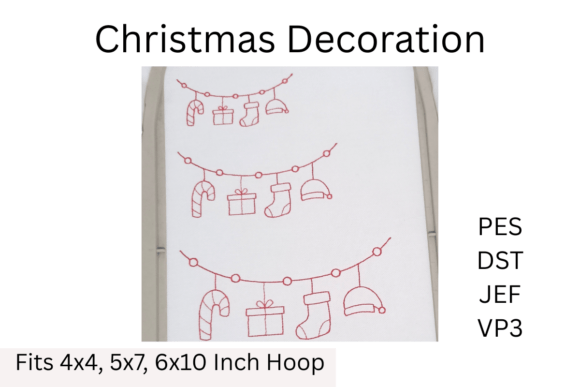
Christmas Decoration-Redwork Embroidery
As an experienced embroidery designer who has spent years turning digital files into tangible brand assets, I approach every new design with a critical eye. When evaluating Christmas Decoration-Redwork Embroidery for commercial application, I am not just looking at aesthetics; I am assessing its viability as a tool for small business growth. This review focuses on how this specific design functions when applied to branded patches, staff uniforms, and merchandise for creative enterprises.
First Impressions: The Visual Personality of Redwork
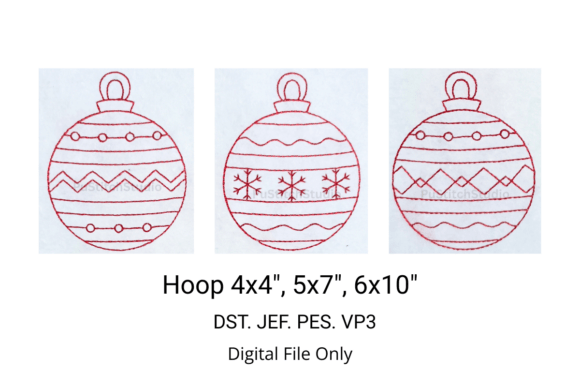
The term "redwork" immediately signals a specific aesthetic: classic, rustic, and deeply rooted in tradition. Unlike complex satin-stitch designs that rely on heavy fill and dimension, redwork is defined by its outline-only construction. My initial assessment of Christmas Decoration-Redwork Embroidery suggests it leans heavily into a friendly, handmade vibe rather than a sleek, corporate modern look. It feels warm and inviting, perfect for businesses that want to project authenticity and craftsmanship.
For a boutique bakery or a local florist, this style bridges the gap between professional service and artisanal charm. It does not scream "corporate logo," but rather whispers "crafted with care." However, this rustic appeal requires careful consideration. If your brand identity relies on ultra-minimalism or high-tech precision, this design might feel too decorative. But for a handmade product line or a cozy café, the visual personality aligns perfectly with a narrative of quality and tradition.
Real-World Application for Small Business Merch
In the realm of commercial embroidery, versatility is key. Christmas Decoration-Redwork Embroidery offers distinct advantages when used across various product categories. Because it is likely composed of open outlines, it handles fabric texture well without adding excessive weight or stiffness to the garment.
Embroidered Patches
This design shines as a standalone patch. The open nature of redwork allows for easy backing and trimming, making it ideal for sew-on or iron-on applications. Imagine a small coffee shop using this design on a felt patch attached to their signature aprons or sold as a collectible item for loyal customers. The contrast of the thread color against the fabric creates a striking graphic element that stands out even from a distance.
Apparel and Accessories
When considering custom apparel, such as work shirts or apron embroidery, the design's simplicity is a benefit. It reduces the risk of puckering on lighter fabrics like cotton blends often used for aprons. For tote bag design, this motif adds a festive touch without overwhelming the canvas material. A cap embroidery application could also be effective, provided the curve of the cap is accounted for during digitizing, though we will discuss limitations shortly.
Product Packaging and Branding
Beyond clothing, this design serves as a powerful asset for brand identity. Small businesses often overlook the potential of embroidered details on packaging. Using this design on a custom label stitched onto a gift box or a hangtag can elevate the perceived value of a handmade product. It transforms a standard package into a premium experience, fostering customer trust and recognition.
Critical Considerations and Limitations
While the aesthetic appeal is clear, a professional designer must identify where this design requires caution. Not every surface is suitable for every stitch pattern.
Small Patch Sizes and Detail
One of the primary challenges with redwork is maintaining definition at smaller scales. If you intend to use this for a tiny chest logo or a miniature patch on a child's garment, the outlines may become indistinguishable. The design needs enough space for the stitches to breathe. If the hoop size limits the area to less than 3 inches, the intricate details of the Christmas decoration may blur together, losing the intended visual impact.
Curved Surfaces and Stitch Density
Applying this to cap embroidery presents specific technical hurdles. Caps are curved, and flat redwork designs can distort if not properly adapted for the curvature. Furthermore, while redwork generally has lower density than filled designs, the continuous lines can create tension issues on tight curves. Testing on a real cap before mass production is non-negotiable.
Fabric Texture and Color Contrast
Redwork relies entirely on the contrast between the thread and the background. On dark uniforms or highly textured fabrics like heavy denim or fleece, the design may disappear. You must ensure that the chosen thread colors provide sufficient visibility. Additionally, on rough textures, the smooth lines of redwork can get lost in the weave of the material, reducing the crispness of the final finished product.
Impact on Brand Identity and Customer Perception
The choice of embroidery design directly influences how customers perceive your brand. Using Christmas Decoration-Redwork Embroidery signals that your business values heritage, warmth, and a personal touch. It enhances visual consistency across your marketing materials and physical goods. When a customer sees this cohesive, handcrafted style on a tote bag, a uniform, and a patch, it reinforces the idea that your business pays attention to detail.
This level of detail drives buyer engagement. In a market saturated with mass-produced items, a high-quality embroidered accent suggests a higher price point and superior quality. It tells the story of a brand that cares about the tactile experience of its products. For Etsy sellers and craft business owners, this design is a strategic asset that differentiates their offerings from generic drop-shipped goods.
Essential Designer Notes for Production
Before committing to a large production run of commercial embroidery projects, follow these practical steps to ensure success:
- Test in Black and White: Since redwork is outline-based, convert the design to black and white to check the flow of lines. Ensure there are no gaps that could cause the design to break apart during stitching.
- Verify Hoop Size Compatibility: The description mentions 4x4 inch hoop sizes. Confirm that your target garments fit within this constraint without requiring multiple setups, which can lead to misalignment.
- Check Stitch Density: Review the file for areas where lines converge. High stitch density in these areas can cause needle deflection or fabric damage. Adjustments may be needed for delicate fabrics.
- Select Proper Stabilizer: To prevent distortion, especially on stretchy knits or thin wovens, always use a stabilizer appropriate for the fabric weight. A cut-away stabilizer is often best for long-term durability on items that will be washed frequently.
- Create a Printable Mockup: Before cutting fabric, generate a printable mockup to visualize the scale on your actual product. This helps clients approve the placement and size before any machine time is wasted.
- Commercial Licensing: Always confirm the digital embroidery file license terms. Ensure you have the right to use the design for resale, including on merchandise you sell to customers.
By treating Christmas Decoration-Redwork Embroidery not just as a holiday decoration but as a strategic design asset, small business owners can leverage its unique charm to build a stronger, more recognizable brand. Whether applied to a staff uniform or a limited-edition patch, this design offers a timeless appeal that resonates with customers seeking authentic, handcrafted experiences.