Christmas Ornament - Redwork Embroidery Review
When I first opened the folder for Christmas Ornament - Redwork Embroidery, my immediate thought wasn't about the festive season, but about utility. As someone who has stitched thousands of designs for everything from boutique t-shirts to heirloom baby quilts, I look past the pretty preview image and ask: does this hold up under the hoop? Can it survive a wash cycle without distorting? Will it look professional on a $25 tote bag sold at a craft fair?
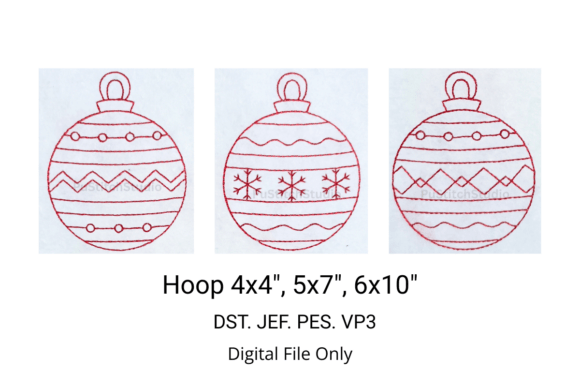
This set of three designs promises a clean, classic aesthetic that fits perfectly into the current trend of minimalist holiday decor. However, the true test of any embroidery file is how it translates from a digital screen to physical fabric. In this review, I am breaking down exactly where this design shines, where you need to exercise caution, and how it performs in real-world commercial and personal projects.
The First Stitch: Visual Impact and Mood
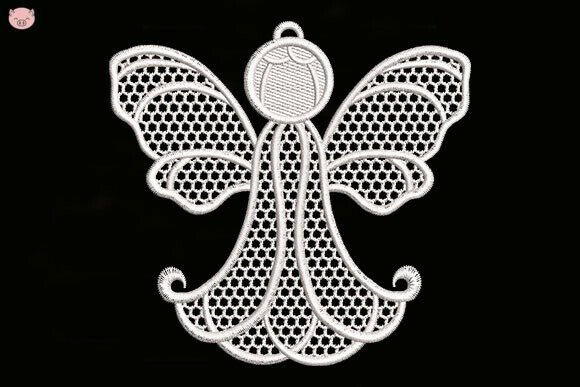
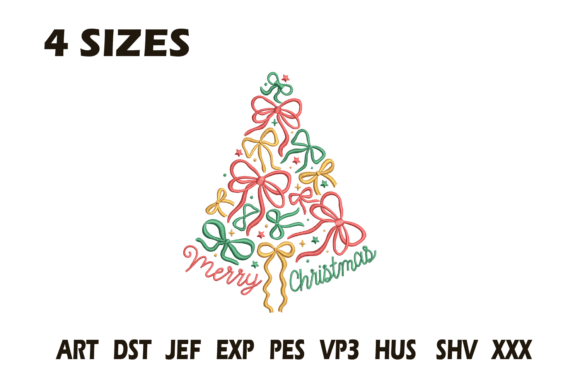
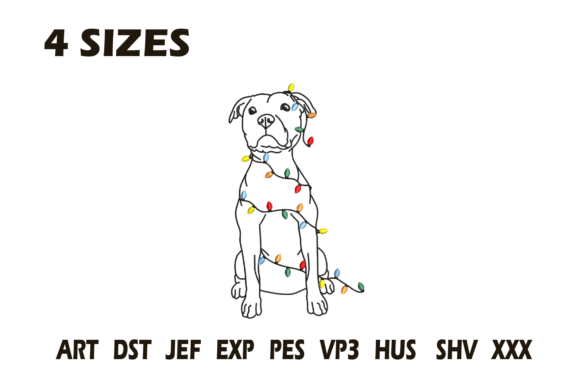
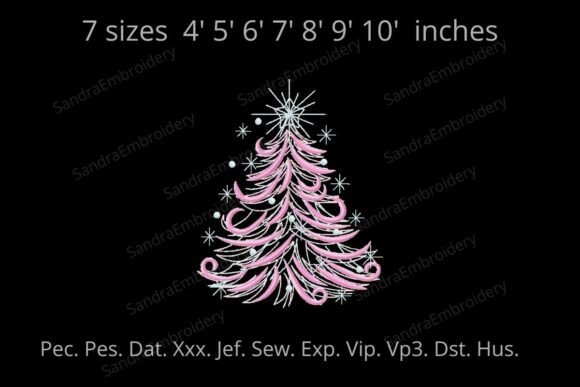
Redwork embroidery relies heavily on line quality and negative space. There are no complex color blends or heavy fill stitches to hide behind; every curve and corner must be precise. The Christmas Ornament - Redwork Embroidery collection delivers a crisp visual personality right out of the box. The shapes feel balanced, avoiding the cluttered look that often plagues holiday-themed digitizing.
The mood created is nostalgic yet modern. It evokes the feeling of a vintage Christmas card or a grandmother's cherished quilt block. This makes it incredibly versatile. Unlike busy, multi-color machine embroidery designs that can sometimes overwhelm a garment, these redwork pieces act as elegant focal points. They suggest a handmade product with soul, which is exactly what customers are looking for when they browse Etsy listings or walk through a local boutique.
Real-World Application: From Tote Bags to Baby Gear
Let's talk about practical application. I recently tested a similar workflow by preparing a custom embroidered tote bag for a holiday market. The goal was to create a high-quality gift item that felt personal but didn't require hours of stitching time. This design proved to be an ideal candidate for that project.
Custom Apparel and Accessories
On a canvas tote bag, the running stitch lines of the ornament stand out beautifully against the textured fabric. Because the design isn't overly dense, it doesn't stiffen the material, maintaining the soft drape that buyers expect from a reusable bag. Similarly, imagine this stitched onto the chest of a heather gray sweatshirt. The simplicity allows the texture of the fabric to show through, creating a subtle, sophisticated look that appeals to adults, not just children.
Baby Items and Nursery Decor
I also considered using this for personalized baby gifts. A tiny embroidered patch of this ornament on a onesie or a bib is adorable. The clean lines are gentle on the eyes and safe for sensitive skin, provided the back is properly stabilized. For nursery decor, such as a pillow cover or a wall hanging, the design offers a timeless charm that won't clash with other holiday elements later in the season.
Commercial Merchandise and Small Shop Products
For small business owners and Etsy sellers, efficiency is key. This design works well for quick-turnaround items like aprons, kitchen towels, and caps. The lack of complex color changes means faster production times, allowing you to fulfill orders more quickly during the busy holiday rush. It is a solid choice for commercial embroidery projects where consistency across multiple units is crucial.
Where to Exercise Caution: Fabric and Hoop Limitations
While this design is robust, no single pattern is perfect for every scenario. As an experienced designer, I always advise testing before committing to a final product, especially when dealing with specific fabric challenges.
- Small Hoop Sizes: If you plan to use this on very small items like socks or miniature patches, ensure the hoop size accommodates the full width of the design without cutting off details. Redwork can lose definition if the scale is too small.
- Textured and Stretchy Fabrics: While great for cotton and canvas, be careful with highly stretchy fabrics like jersey knit unless you use a stabilizer specifically designed for knits. Without proper support, the running stitches may pucker, ruining the clean look.
- Dark Fabrics: Redwork typically uses a single thread color. On dark backgrounds, you will need to select a contrasting thread (like white or gold) rather than the traditional red, or ensure your design includes a backing layer. Always check the thread color contrast before starting.
- Dense Stitch Areas: Although this is a redwork design, check the corners. If the design has tight curves, ensure the stitch density isn't so high that the needle breaks or the fabric bunches up.
Impact on Product Value and Customer Trust
In the world of handmade goods, presentation is everything. A poorly executed design can make a high-quality product look cheap, while a well-stitched piece elevates the perceived value instantly. Christmas Ornament - Redwork Embroidery contributes positively to brand consistency and professionalism.
When a customer receives a personalized gift with crisp, even stitching, it builds trust. It signals that the maker cares about detail. For digital product sellers, having mockups of this design on various backgrounds—white tea towels, navy blue hats, cream-colored pillows—can significantly boost buyer engagement. It helps potential buyers visualize the finished product, reducing hesitation and increasing sales.
The design also enhances the "giftability" factor. It feels thoughtful and curated, which is essential for holiday gifting. Whether you are selling a finished item or offering a service to embroider customer logos alongside this motif, the clean lines allow for easy integration without visual chaos.
Essential Designer Notes for Success
Before you start stitching, here is a checklist based on my experience to ensure your embroidery project goes smoothly:
- Test on Scrap Fabric: Never go straight to your final product. Run the design on a scrap of the same fabric type to check tension and puckering.
- Check File Formats: Ensure you have the correct machine embroidery design format for your specific machine. If the file formats aren't listed in your download, verify them immediately.
- Stabilizer Selection: Use the appropriate stabilizer for your fabric weight. Heavy cut-away stabilizers are often best for woven bags, while tear-away might suffice for lighter home decor items.
- Review Stitch Density: Inspect the design closely. If the stitch density seems too light, consider adding a second pass or adjusting the tension slightly.
- Licensing Verification: If you plan to sell finished products made with this design, confirm the licensing terms. Some digital assets are for personal use only, while others allow commercial resale. Do not assume; read the fine print.
- Mockup Testing: Create black and white mockups to see how the design looks without color distractions. This helps you judge the shape and layout objectively.
The Christmas Ornament - Redwork Embroidery set is a strong addition to any designer's library. It balances festive cheer with practical execution, making it suitable for a wide range of applications from hobbyist crafts to serious small business merchandise. By paying attention to fabric choices and stabilization, you can turn this simple line art into a stunning, high-value finished product that customers will love.