Normalize Minds Embroidery: A Real-World Design Review
In the world of digital embroidery, it is easy to get swept up in the allure of complex file structures or high stitch counts. However, as a designer who spends hours evaluating machine embroidery design assets for both personal studios and client work, I have learned that the most valuable files are often the ones that bring a genuine sense of charm without demanding perfection from the machine or the operator. Today, I am putting Normalize Minds Embroidery through its paces. This isn't just about checking off technical boxes; it is about understanding how this embroidery file translates from a screen into a tangible, sellable product.
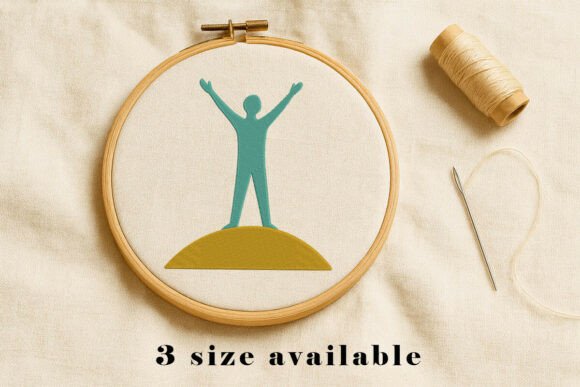
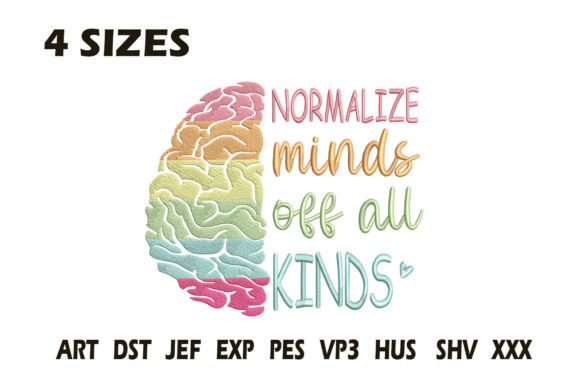
The concept behind this piece is immediately striking. It falls squarely into the Inspirational category, but with a playful twist that sets it apart from the standard motivational quotes found on countless t-shirts. The design feels like a breath of fresh air, promising to add a whimsical touch to any fabric surface. When I first opened the preview, the layout felt balanced, suggesting that it would not only look good as a standalone statement but also integrate seamlessly into larger compositions. But does it hold up when the needle starts moving?
From Screen to Stitch: The Real-Life Test
To truly understand the utility of Normalize Minds Embroidery, we need to move beyond the digital mockup and imagine it in a real production environment. Let's say you are an Etsy seller preparing for the upcoming holiday season. You have decided to create a line of custom embroidered tote bags featuring uplifting messages for your boutique customers. You are looking for something that stands out against canvas but doesn't overwhelm the texture of the bag.
This is where Normalize Minds Embroidery shines. Its playful nature makes it perfect for a tote bag design intended for a gift shop or a craft fair booth. Unlike heavy, dense designs that can make a canvas bag feel stiff and unprofessional, this design appears to have enough open space to let the fabric breathe. If you were to stitch this onto a light-colored cotton tote, the visual appeal would be immediate. Customers browsing your shop would likely react positively to the whimsical vibe, seeing it as a thoughtful personalized gift rather than just another mass-produced item.
Now, consider a different scenario. You are a small business owner specializing in custom apparel for local teams or community groups. You need a design for a sweatshirt that conveys a positive message without looking too corporate or rigid. Placing Normalize Minds Embroidery on the chest of a fleece sweatshirt could elevate the garment significantly. The design's personality suggests it works well for sweatshirt embroidery where comfort and style are paramount. It adds a layer of character that makes the wearer feel connected to a positive sentiment, which is exactly what buyers want when they purchase custom apparel for their teams or families.
Where Caution is Required
While the potential for this design is high, an experienced reviewer must always identify the limitations before recommending it for a commercial project. Not every embroidery project is created equal, and Normalize Minds Embroidery has specific constraints that you must respect to ensure a professional finish.
First, consider the hoop size. If your design includes intricate details or small lettering, attempting to stitch it on a curved surface like a baseball cap might result in distortion. Curved surfaces require careful tension management, and if the design density is too high, the stitching may bunch up around the seams. Similarly, if you are working with a very small hoop, such as one used for a baby embroidery project on a tiny hat, you must verify that the smallest elements of the design remain legible. Tiny details often get lost in the stitching process, especially on stretchy fabrics common in baby clothes.
Fabric choice is another critical factor. While this design looks great on sturdy materials like canvas or thick cotton, it might struggle on thin or highly textured fabrics. On delicate linens or sheer materials, the stitch density could cause puckering, ruining the drape of the garment. Furthermore, if you are planning to use this on dark fabric, you will need to pay close attention to your thread colors. Without a proper underlay or a contrasting thread palette, the design might lose its definition against a black background. Always test your color combinations by creating a printable mockup or running a sample on scrap fabric before committing to a full run of products.
Impact on Product Value and Brand Consistency
For those selling handmade goods, the quality of the embroidery directly influences customer trust and perceived value. A sloppy stitch job can undermine even the best design concept. Normalize Minds Embroidery, with its clean lines and clear intent, supports a professional brand image. When a customer receives a finished product like a kitchen towel or a pillow cover featuring this design, the clarity of the stitches signals care and craftsmanship.
This clarity is essential for commercial embroidery projects where consistency is key. Whether you are producing a batch of holiday embroidery gifts or creating a line of branded aprons for a restaurant, the design needs to look identical every time. The playful theme helps break the monotony of standard business branding, making it an excellent choice for small shop product lines that want to stand out. It adds a human element to the merchandise, fostering a connection between the maker and the buyer.
However, you must be mindful of the finish. If the design relies heavily on satin stitch for text, ensure that the angles are correct to prevent thread breaks. If it uses fill stitch for shapes, check that the direction of the fill complements the shape of the object. For example, on a circular patch, the fill should radiate naturally. Ignoring these nuances can lead to a rough texture that detracts from the handmade product experience.
Practical Notes for the Designer
Before you download and start stitching, there are several steps you must take to ensure success. First and foremost, test the design on scrap fabric using the same stabilizer and thread you plan to use for the final product. This simple step can save you hours of frustration and wasted material. Check the stabilizer type required; some designs need cut-away stabilizers for durability, while others might work fine with tear-away.
You should also review the file specifications. Does it include multiple formats for different machines? Are the dimensions appropriate for your equipment? If the description does not explicitly state the stitch count or file formats, do not assume compatibility. Verify these details with the creator. Additionally, confirm the licensing terms. Many designers offer different licenses for digital product sellers versus those creating physical goods for resale. Ensure you have the right permissions to sell finished items featuring Normalize Minds Embroidery.
Finally, inspect the design in black and white. Sometimes, color masks hide issues with spacing or alignment. By converting the design to grayscale, you can see if the contrast levels are sufficient for all intended backgrounds. This is particularly important for design assets that will be used on various colored garments.
In conclusion, Normalize Minds Embroidery offers a refreshing take on the Inspirational genre. It brings a sense of fun and approachability that is often missing in more serious design categories. Whether you are creating a unique embroidered patch, a heartfelt personalized gift, or a staple item for your craft business, this design has the potential to be a standout piece. Just remember that the devil is in the details. Take the time to test, adjust, and refine your setup, and you will find that this design delivers exactly the charm it promises.