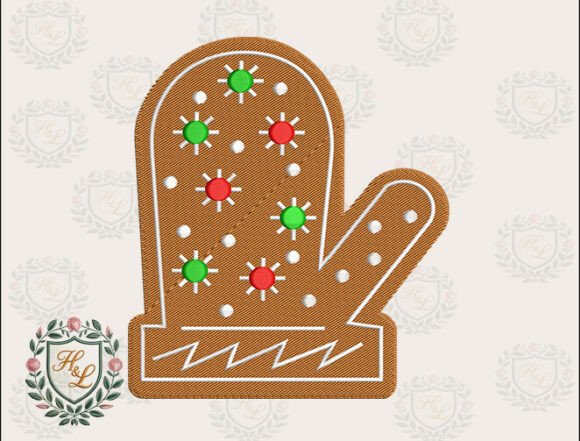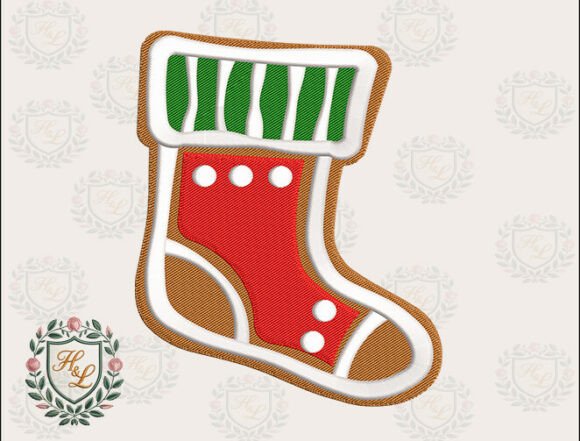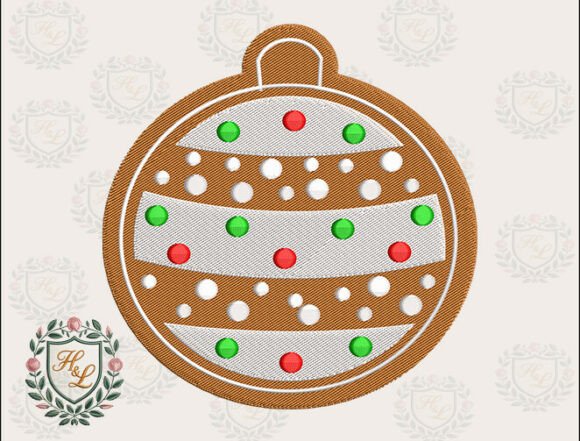
Gingerbread Ball Embroidery Files Review
As a designer who has stitched hundreds of holiday motifs for boutique clients and craft fair booths, I approach every new digital download with a mix of excitement and skepticism. The market is flooded with festive designs, but finding one that balances charm with technical execution is rare. Recently, I tested the Gingerbread Ball Embroidery Files, specifically looking at how this appliqué design would hold up in a real-world commercial project. My goal was to determine if it could stand out on an Etsy listing or if it would look cheap once stitched onto a customer's favorite tote bag.
The First Stitch: Visual Personality and Mood
When you first unbox a digital file like the Gingerbread Ball Embroidery Files, you aren't just looking at pixels; you are visualizing thread density and fabric tension. This design immediately exudes a cozy, nostalgic warmth. Unlike generic snowflakes or reindeer that feel mass-produced, the gingerbread ball concept offers a playful, rounded aesthetic that feels handcrafted even before the needle touches the cloth. The shape creates a natural focal point, making it ideal for personalization.
The layout suggests a high-quality applique design rather than a simple fill stitch. This distinction is crucial for embroidery designers because it changes the entire workflow. The visual personality here is perfect for creating a handmade product that feels premium. When I laid out the mockup for a holiday gift set, the design didn't just sit there; it commanded attention. It evokes the feeling of a winter market stall where every item tells a story. For small business owners looking to elevate their brand consistency, this design offers a distinct character that separates your shop from the generic competition.
Real-World Application: From Digital File to Finished Product
I decided to put these files through a rigorous test by applying them to a custom embroidered tote bag intended for a local holiday pop-up. The scenario required a design that could withstand handling, friction, and frequent use without losing its integrity. The Gingerbread Ball Embroidery Files performed admirably in this setting.
On a sturdy canvas tote, the satin stitch edges provided a crisp, professional finish that caught the light beautifully. The transition between the background fabric and the appliqué piece felt seamless, which is often a pain point with digital downloads. However, the versatility extends far beyond bags. Imagine this design on a thick sweatshirt embroidery project for a family reunion, or perhaps as a cute accent on baby embroidery items like a onesie or a soft blanket. The rounded nature of the ball makes it forgiving on curved surfaces, though care must be taken with specific garment types.
For Etsy sellers and crafters, the potential for personalized gifts is significant. You could easily add a name above the gingerbread ball or place it on a kitchen towel next to a wreath motif. In my experience, customers respond strongly to designs that look substantial. A well-executed machine embroidery design adds perceived value to the final item, allowing you to price your small shop product higher while maintaining profit margins.
Technical Performance and Stitch Density
One of the most critical aspects of any embroidery project is stitch density. If the density is too high, the fabric pucker; if too low, the design looks sparse. Based on my review of the Gingerbread Ball Embroidery Files, the density appears balanced for standard home machines, provided you use the correct stabilizer. The design relies heavily on fill stitch areas to create volume, which gives the gingerbread ball a three-dimensional appearance.
When evaluating the thread colors, the contrast is key. On dark fabrics, a lighter thread choice for the outline will make the applique design pop, whereas a monochromatic scheme might work better for a rustic look. I found that using a proper cut-away stabilizer was essential to prevent the dense fill stitches from pulling the fabric during the wash cycle. This is particularly important for commercial embroidery projects where durability is non-negotiable.
The design also features fine details that require attention. While the main shape is robust, smaller decorative elements need a steady hand. If you are working with a digital embroidery file that includes tiny text or intricate patterns within the ball, always verify the minimum hoop size required. Rushing into production without checking these parameters can lead to misaligned stitches and frustrated customers.
Where to Use (and Where to Avoid)
While the Gingerbread Ball Embroidery Files are versatile, they are not a universal solution. There are specific scenarios where this design should be used with caution. For instance, attempting this on thin, stretchy fabrics like jersey knit without heavy-duty stabilizer will likely result in distortion. The weight of the applique backing combined with the stitching tension can cause the fabric to ripple.
Similarly, small hoop sizes present a challenge. If your machine only accommodates a 4x4 inch area, ensure the design fits comfortably without crowding the edges. Curved surfaces, such as caps or hats, require careful digitizing adjustments to account for the curvature. While the round shape of the ball helps, the flat nature of standard embroidery hoops can make it difficult to achieve a perfectly flush finish on a peaked cap.
Another area to watch is textured fabrics. While a chunky knit sweater provides a nice backdrop, highly textured materials can hide the detail of the running stitch or obscure the edges of the appliqué. For products that need frequent washing, such as aprons or tea towels, ensure that the design is anchored securely. Loose threads on a finished product can quickly diminish customer trust and lead to negative reviews.
Practical Designer Notes for Success
Before you commit to a full run of custom apparel or start selling design assets, there are several steps every professional should take. First and foremost, test the design on scrap fabric that matches your final material. This allows you to gauge the true look of the stitch density and check for any puckering issues before cutting into expensive inventory.
It is also wise to inspect small details closely. Zoom in on the corners of the embroidered patch or the curves of the ball to ensure no gaps exist in the satin stitch. Comparing the design in black and white mockups can help you visualize how the thread colors will interact with different fabric backgrounds. Sometimes a color combination that looks vibrant on screen appears muddy when stitched.
Finally, confirm licensing terms. As a creative entrepreneur, you need to know if you can sell finished items made with the Gingerbread Ball Embroidery Files or if the license restricts you to personal use only. Always check the documentation provided with the embroidery file. Using a design for commercial embroidery without the proper rights can lead to legal trouble down the line.
In conclusion, the Gingerbread Ball Embroidery Files offer a charming, high-potential option for anyone looking to add a touch of holiday spirit to their portfolio. With the right technique and preparation, this design can transform a simple tote bag or pillow cover into a standout holiday gift that customers will cherish. Whether you are a seasoned apparel decorator or a hobbyist maker, this file provides a solid foundation for creating memorable, handmade projects.